Planting Hope for Families with Cerebral Palsy
PWDs
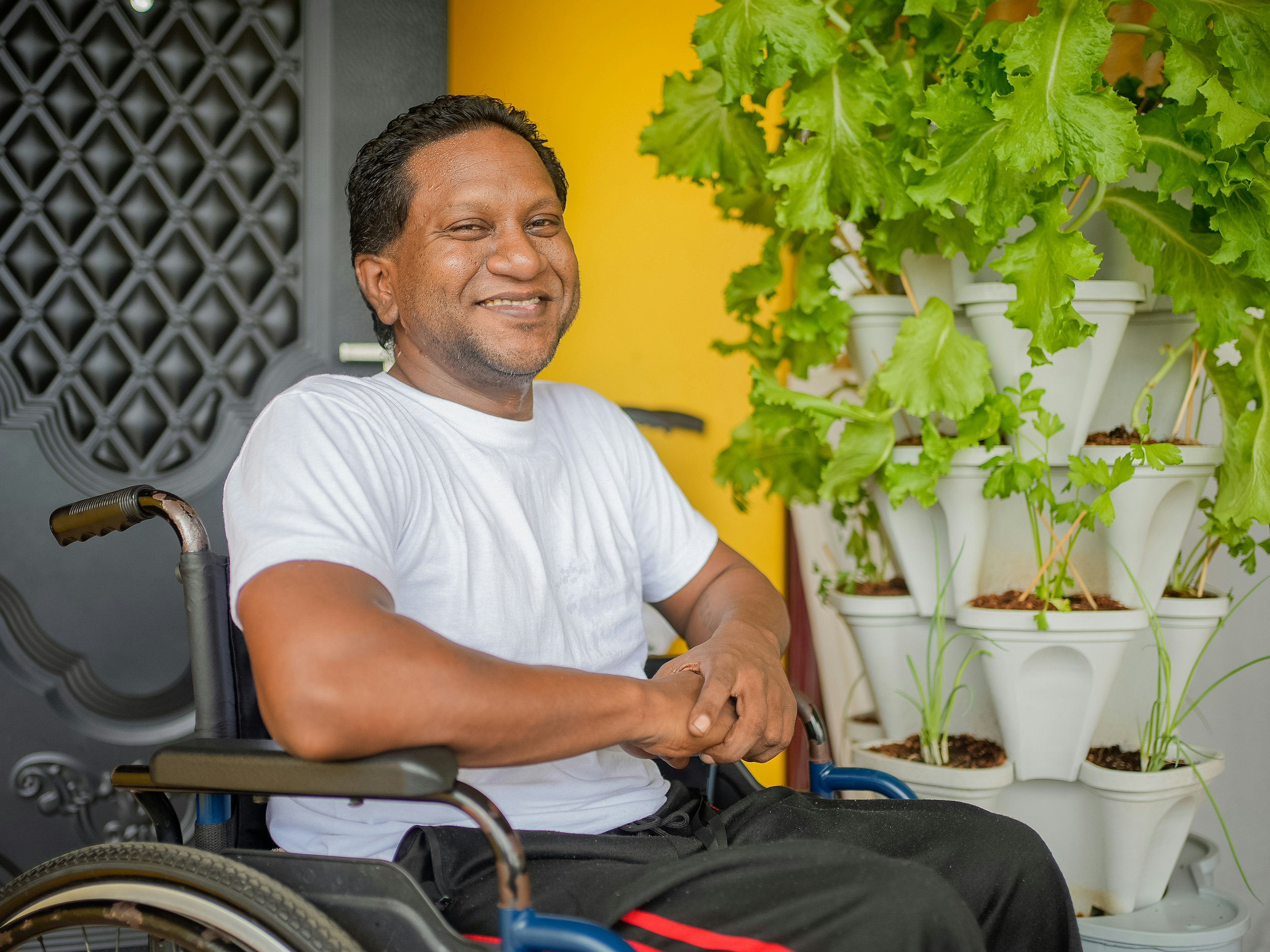
PORT OF SPAIN, TRINIDAD AND TOBAGO – 10 FEB 2026 – For families caring for loved ones with cerebral palsy, every day is a careful balancing act between medical needs, emotional support and the rising cost of living. For 30 such families across Trinidad, that balance is now a little easier, thanks to a new hydroponics initiative funded by the Digicel Foundation and The Church of Jesus Christ of Latter-day Saints to bring them fresh food, therapeutic activity and greater self-sufficiency.
The Care Helpers Organisation of Trinidad and Tobago, a non-profit organisation founded in 2017 to support families living with cerebral palsy, received TT$74,000 in funding to implement the initiative, which introduces persons with disabilities and those who care for them to at-home food production using hydroponic systems.
Through hands-on training and the provision of seedlings, hydro towers, troughs, fertilisers and gardening tools, participating families are now growing their own green leafy vegetables, helping to reduce household food costs while improving nutrition. Beyond the financial relief, the project has also proven to be deeply therapeutic, offering a purposeful activity for both caregivers and persons living with cerebral palsy.
“This project allows us to support families in a more sustainable and meaningful way,” said Penny Gomez, CEO of the Digicel Foundation. “They are learning how to grow their own food and take control of their food bill, while also improving their quality of life. We are especially happy to have The Church of Jesus Christ of Latter-day Saints partnering with us as we continue to improve opportunities for persons with disabilities.”
“This is a proud moment for us,” said Michelle Bisram, President of the Care Helpers Organisation of Trinidad and Tobago. “The families showed real commitment and dedication to the work involved. When we interacted with them and heard how they felt, it was powerful. Sometimes, as a caregiver, you can feel limited in what you’re able to do for your family. This project has added so much value and will change lives.”
The hydroponics initiative forms part of a wider partnership between the Digicel Foundation and The Church of Jesus Christ of Latter-day Saints, through which three non-governmental organisations received a combined TT$452,000 to implement livelihood projects benefiting persons with disabilities across Trinidad and Tobago.